Skip to content
Specialist work

Ford wet belt replacement

Wet belts are a specialist job. Done right, with correct tooling, attention to oil condition and a preventive mindset, they protect your engine. Done badly, or left too long, they can cause serious damage.

Based in Ipswich and serving East Anglia, including Norfolk, Suffolk, and Essex. UK-wide availability by arrangement for specialist Ford, fleet, and emergency response work.

What is a wet belt?

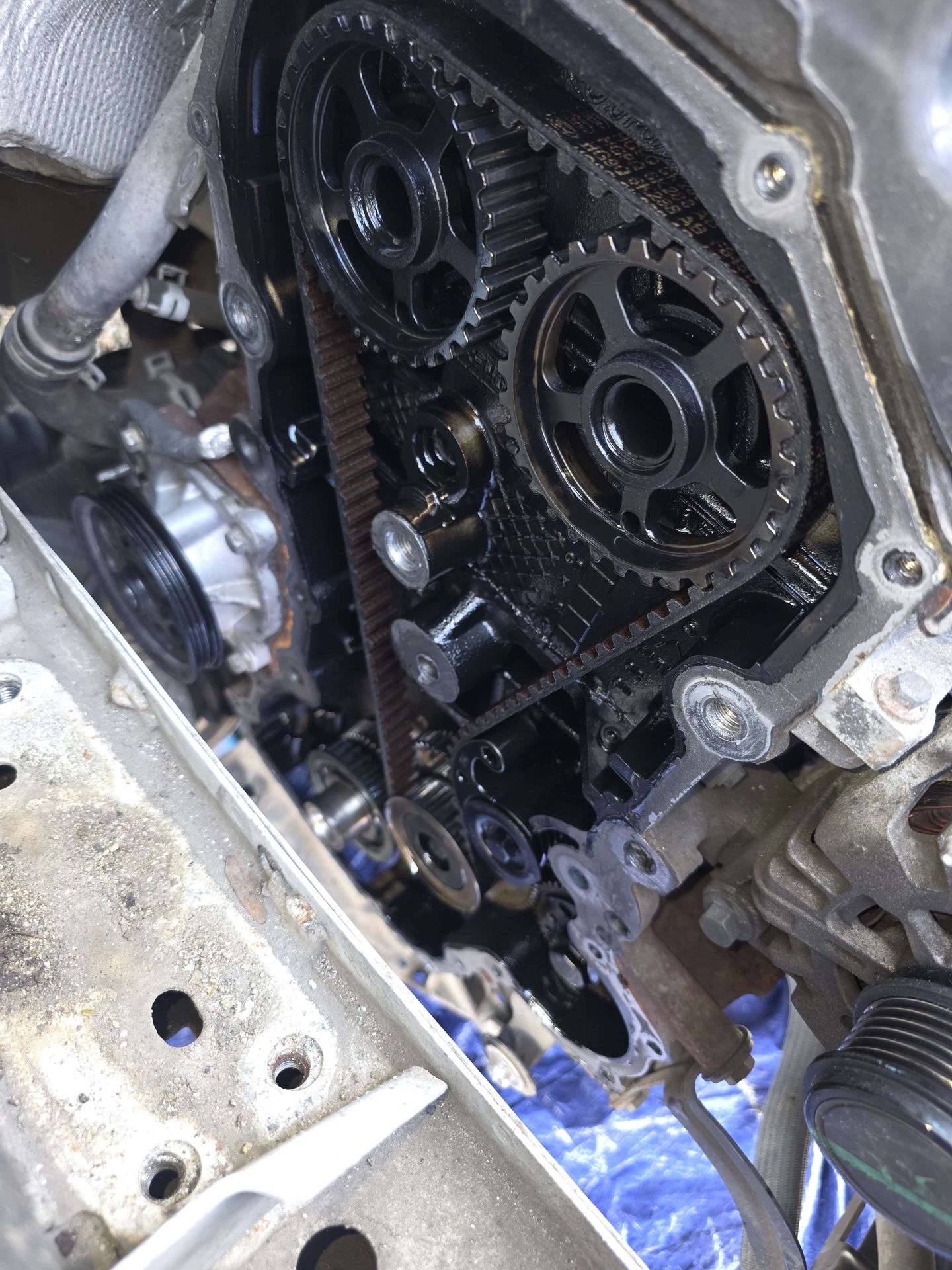
A wet belt is a timing belt that runs inside the engine, immersed in engine oil, unlike a traditional “dry” belt on the outside. Several modern Ford engines use this design. Because the belt lives in oil, its condition is tied directly to oil quality and servicing.
Why Ford wet belts need specialist attention

Wet belt replacement requires the correct timing tools, careful setup, and knowledge of the specific Ford engine. It isn’t a generic belt swap, getting timing, tensioning and reassembly right is critical to engine health.

Why oil condition & service history matter

Because the belt sits in oil, degraded or contaminated oil and stretched service intervals accelerate wear. A clear service history helps assess risk accurately, which is why Stones Auto Repairs reviews it before quoting.

Why wet belts fail

A lot of failures come down to how a vehicle is used. Short, low-mileage town journeys are hard on a diesel: the DPF tries to regenerate every 30–40 miles, and every regen that doesn’t complete lets diesel bypass into the engine oil. That contaminated oil attacks the belt from the inside.
Honest quoting

How we quote a wet belt

We always quote a wet belt with the sump removed to clean and check the oil pickup strainer, so the price you see covers the full, proper job.

If we get in and find the belt is in good condition and the sump doesn’t need to come off, we’ll offer you the wet belt with an oil and filter change instead, which saves you money, often £200 or more depending on the vehicle. Prefer to have the sump removed anyway for peace of mind? We’re happy to do that too.

Genuine oil and filters only. We see plenty of engines and belts in far worse shape where cheap oil and filters were used. OEM and factory-spec parts are what these engines are built for.

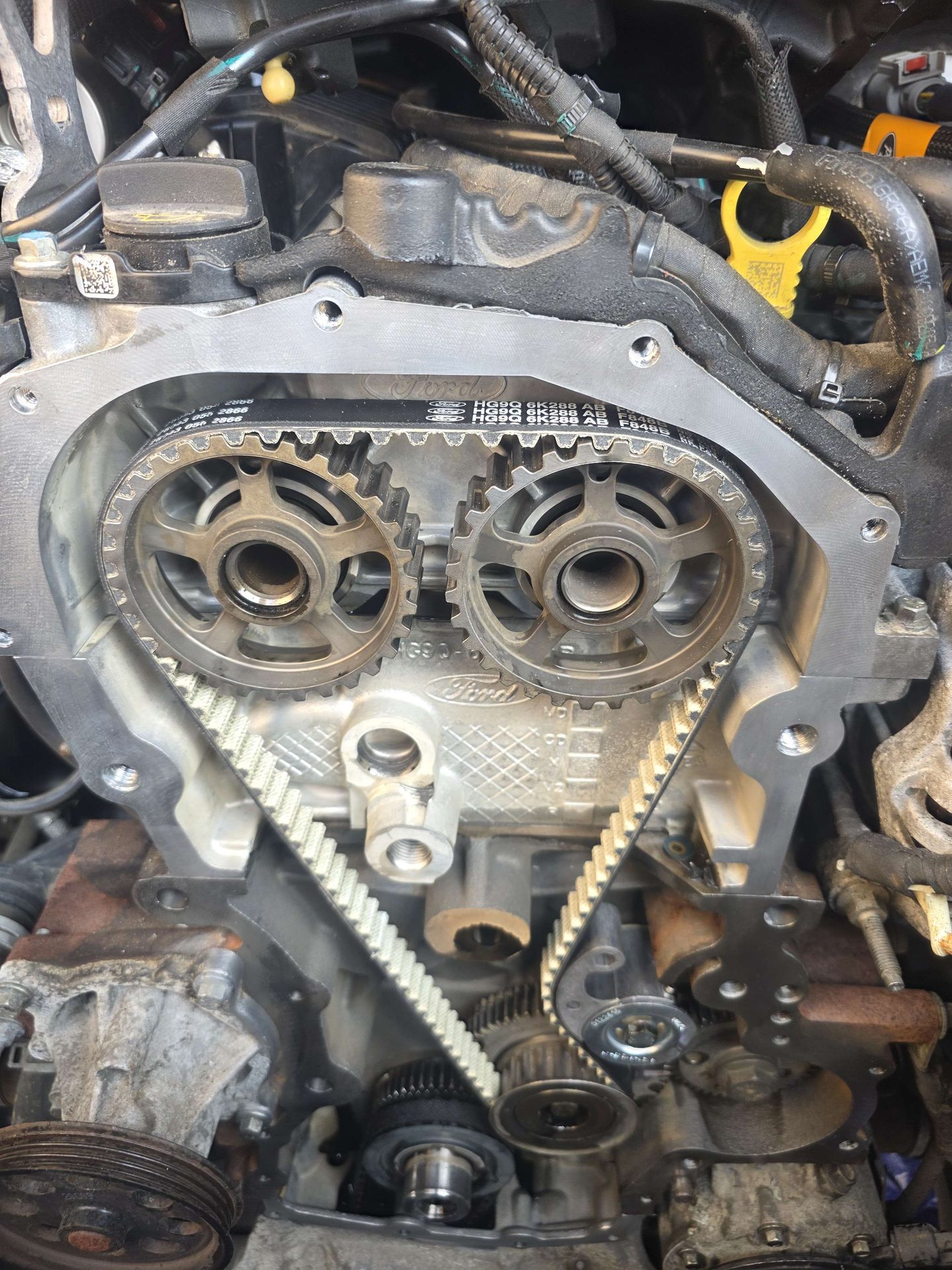
Camshaft timing gears exposed during a Ford wet belt replacement
In the detail

Correct timing, correct tooling

A wet belt change lives or dies on precision: the engine has to be locked at the right position and the belt tensioned exactly to spec. That’s why it’s a job for the proper tools and a methodical hand, not a quick swap.
Watch for

Common warning signs

If you notice any of these, it’s worth a conversation sooner rather than later. Treat intervals and symptoms as general guidance, the vehicle’s actual condition always comes first.
  • A rattling or whining noise from the engine, especially on start-up
  • Oil contamination or debris found during servicing
  • Engine warning lights or rough running
  • Oil changes that have been missed or stretched well past interval
  • A vehicle with unknown or incomplete service history
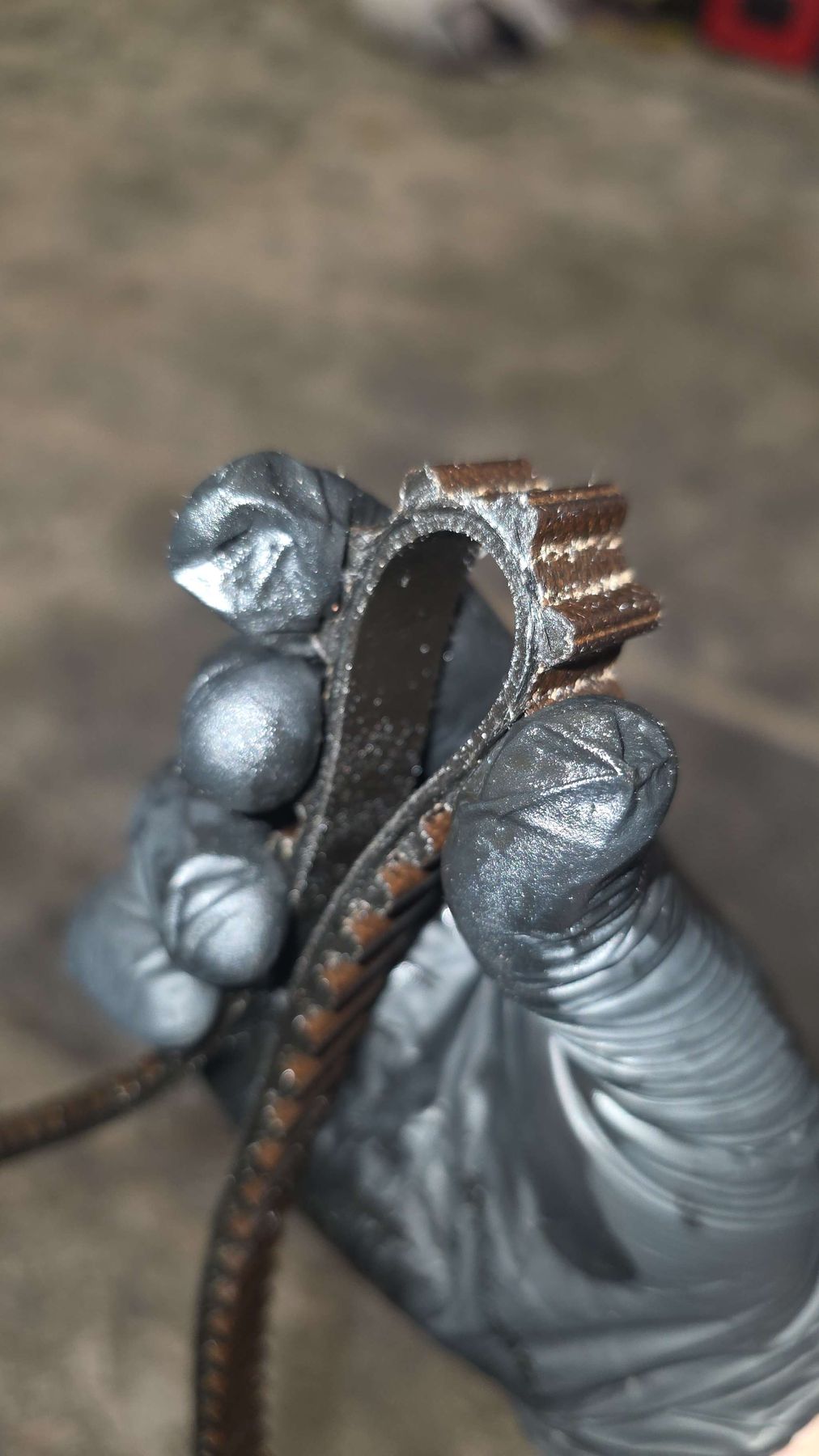
A failed wet belt with stripped and worn teeth
Prevention

Replace it before it fails, not after

As general guidance, the manufacturer interval for most Ford wet belts is around 6 years or 100,000 miles. In practice, many owners now have them done at around 60,000–70,000 miles, which is typically when the belts start to crack and delaminate.

Catching it early is preventive maintenance: a belt that fails in service can cause serious, sometimes catastrophic, engine damage. We help you make the call based on your vehicle’s real condition, not a one-size-fits-all rule.

Get started

Think your Ford is due a wet belt?

Send the engine, mileage and service history and we’ll review it before quoting.

Call WhatsApp Quote